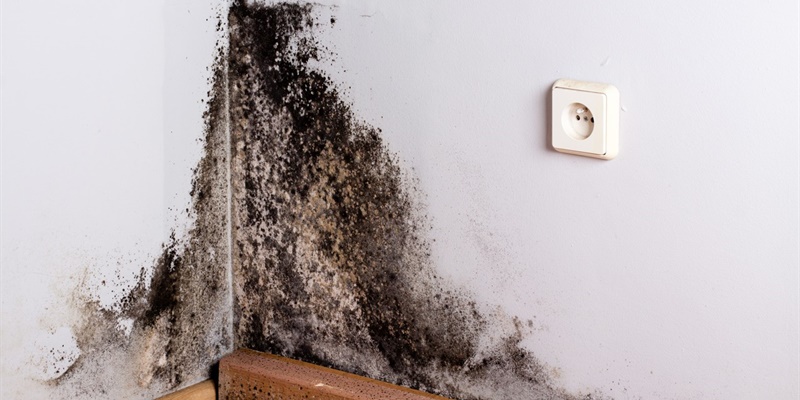
Mold is more than just an unpleasant appearance in your home; it also brings serious health risks and damage. In this article, we delve deeper into the risks of mold. We’ll tell you how black mold develops, why you’d better eliminate it as soon as possible, and how you can prevent mold in your home.
The Growth of Mold
Molds are common in nature. It’s a micro-organism that thrives in moist, dark environments. It spreads through spores that float through the air and sometimes find their way into your home.
They drift into your house through open windows or doors, but possibly also via pets or clothing. Once inside, mold thrives excellently on damp walls . These are often found in bathrooms and kitchens, as the humidity level is highest there. Poorly ventilated spaces, such as basements, are also susceptible to mold formation.
Health Consequences of Mold
The presence of mold in the house can lead to various health problems, especially for people with allergies, asthma, a weakened immune system, or other sensitivities. The possible health effects include:
- Allergic reactions: mold can cause allergic reactions, leading to sneezing and potentially causing a runny nose, itchy eyes, skin rash, and shortness of breath.
- Worsening of asthma: for people with asthma, exposure to mold can exacerbate symptoms and trigger asthma attacks.
- Respiratory infections: prolonged exposure to mold can lead to respiratory infections, especially in people with weakened immune systems.
- Irritation of skin and mucous membranes: mold can irritate the skin and mucous membranes, resulting in skin rash, itching, coughing, and sore throat.
In rare cases, certain types of mold, such as black mold (Stachybotrys), can produce mycotoxins that can cause serious health problems. These damage the lungs, resulting in breathing difficulties. Unfortunately, black mold is one of the most common types of mold.
Mold also Damages your Home
Everyone knows that mold in the house is not good for your health. And of course, mold also forms ugly spots on walls and ceilings, or mold can appear on windows and window frames. But did you know that mold can also cause considerable damage to your home itself?
Prolonged exposure to mold can affect wooden structures, such as roof trusses and floor joists, which can compromise the structural integrity of your house. This is because molds nest deep into the wood through their fungal threads. These threads penetrate to the core of the wood and cause small cracks. They also bring moisture into the wood, which is of course also detrimental. The wood can start to rot.
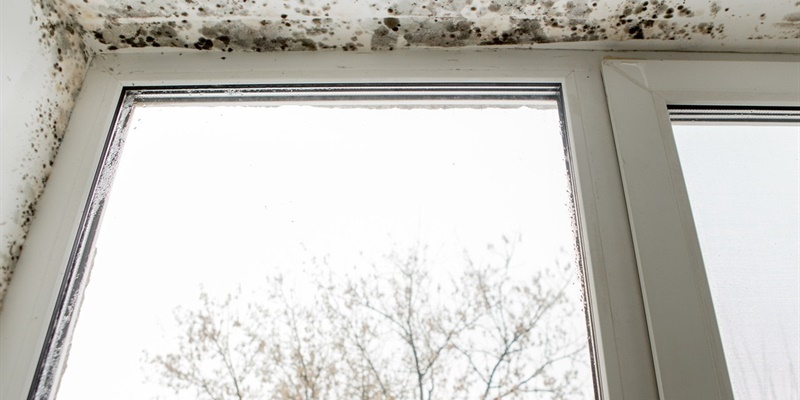
Mold Indicates Moisture
Mold thrives on damp surfaces. If you notice mold in your house, you are also dealing with a moisture problem. And that needs to be addressed as soon as possible, because moisture in the house is harmful to building materials.
Moisture can enter your home in various ways.
- Through the ground, groundwater can come into contact with your interior walls.
- Through a damaged facade, rainwater seeps in and you get moisture infiltration
- and those who don’t ventilate properly will face condensation formation.
- In all these cases, mold can form on the wet walls.
We’d be happy to visit you to determine the exact cause of the moisture in your home.
Moisture and the accompanying mold produce a musty, unpleasant odor that is difficult to remove. It’s often the first sign of a moisture problem in the house. This is followed by flaking paint, detaching baseboards, and damp spots.
How Do You Prevent Mold in the House?
Preventing mold in the house is the best approach. Here are some tips to prevent mold growth:
- Prevent moisture problems by repairing leaks early on.
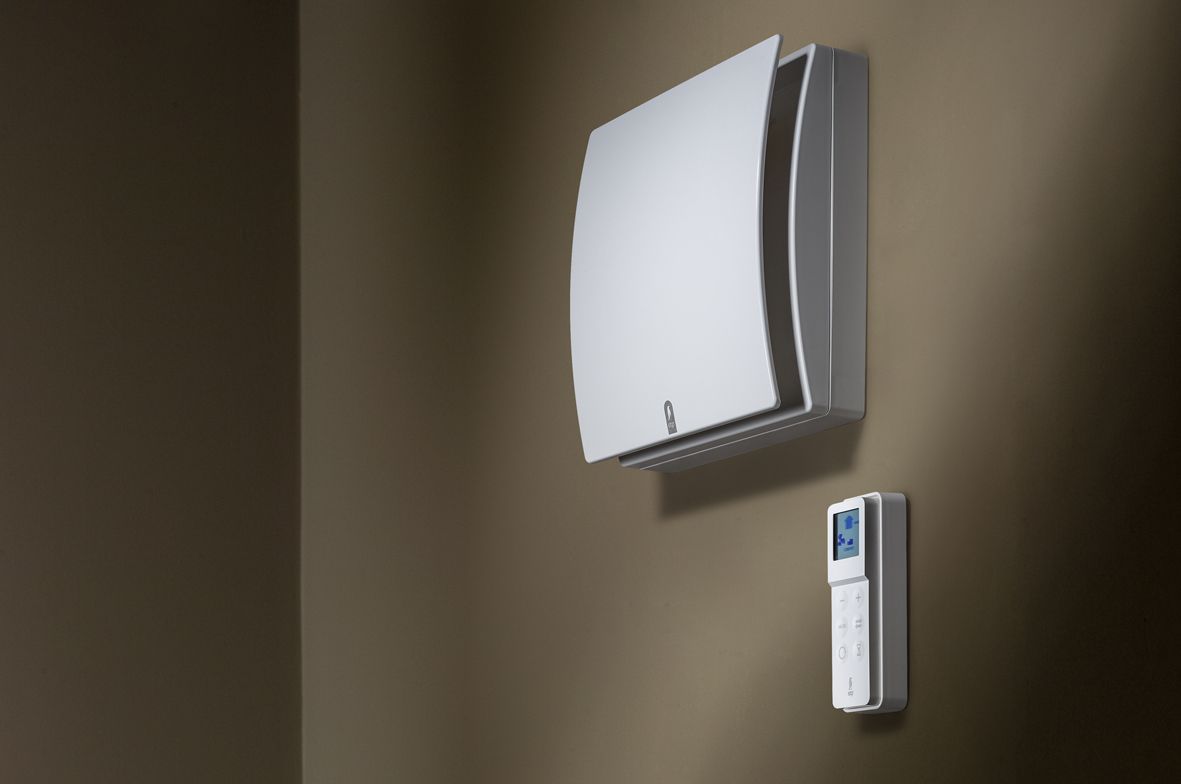
- Good ventilation is crucial in damp spaces. This keeps humidity low and prevents water vapor from condensing on the walls.
- Check the walls for signs of damp spots and pay attention to a musty odor. Cold spots on the walls also indicate moisture.
Solusio Combats Mold in Homes
Have you spotted mold in your home? Then it’s best to address it as quickly as possible to avoid risks to your health and that of your home. Fortunately, mold and underlying moisture problems can always be tackled. With the necessary expertise, the mold and associated dangers can be resolved quickly. Contact us for free advice or make an appointment.