Damp proofing: moisture problems, treatment & prices
Moisture problems have various causes and different treatments. Every moisture problem is unique and requires a specific approach.
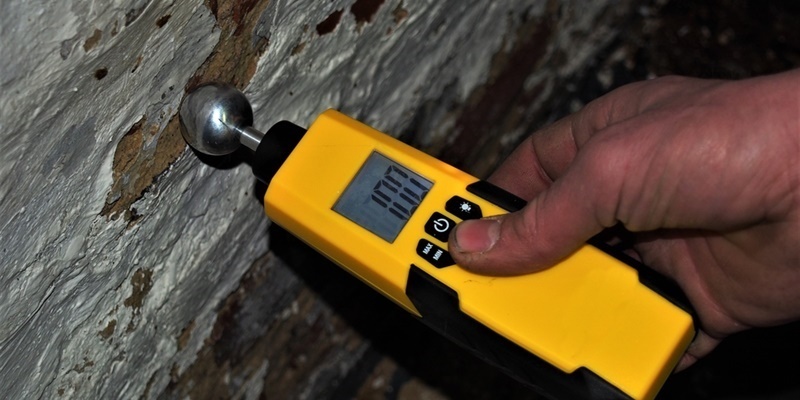
Have you noticed a damp patch in your home? Or is there a musty smell in a certain room and you suspect your home is struggling with a moisture problem? Our damp experts are happy to visit to investigate the issue and suggest the right treatment. Damp proofing is an art in itself. We'll tell you more about it below.
Rising damp: a persistent moisture problem
Rising damp is perhaps the most well-known moisture problem. You can recognize it as a dark damp patch at the bottom of the wall. This moisture problem is caused by moisture creeping into the building material via the ground. This can be both groundwater and rainwater. In such cases, the home’s damp-proof course is defective. Once the moisture finds its way into the bricks, it can rise higher and higher into your home.
In most cases, rising damp can be stopped with a wall injection. The affected wall is then injected with a moisture-resistant agent. Once cured, it forms a physical barrier against rising damp. In severe cases of rising damp, wall underpinning may be necessary. A new damp-proof course is then installed.
Penetrating damp in your home
Penetrating damp also occurs in older homes. Moisture enters your home through the facade. Over time, the bricks of the facade become porous and absorb water more easily. After heavy rainfall, the moisture can then penetrate into the interior walls. Cracks or fissures in the facade can also be the culprit.
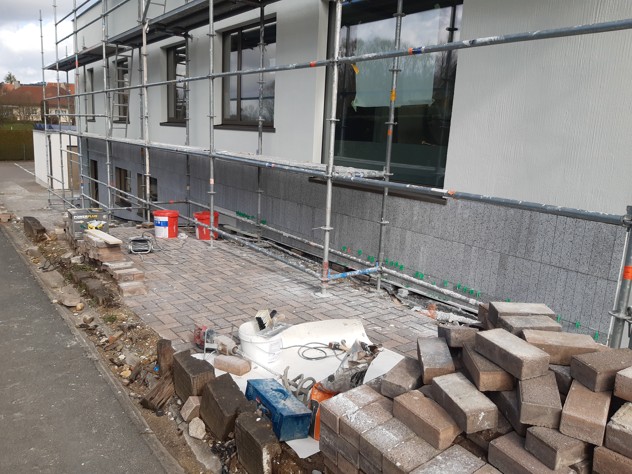
Penetrating damp is solved by repairing the facade. Once all cracks are repaired, the facade is impregnated with a water-repellent agent. Rainwater can then no longer penetrate the bricks. This treatment is called a hydrofuge.
Damp proofing against condensation and mold
However, the most common moisture problem is condensation. In wet rooms, such as the kitchen and bathroom, there is a lot of water vapor in the air. If you do not ventilate these rooms or have not installed a ventilation system, this water vapor can settle on cold walls and ceilings. When these surfaces remain wet for a long time, a damp patch forms, and mold almost always follows. Condensation problems can also be caused by thermal bridges when insulation is not properly installed.
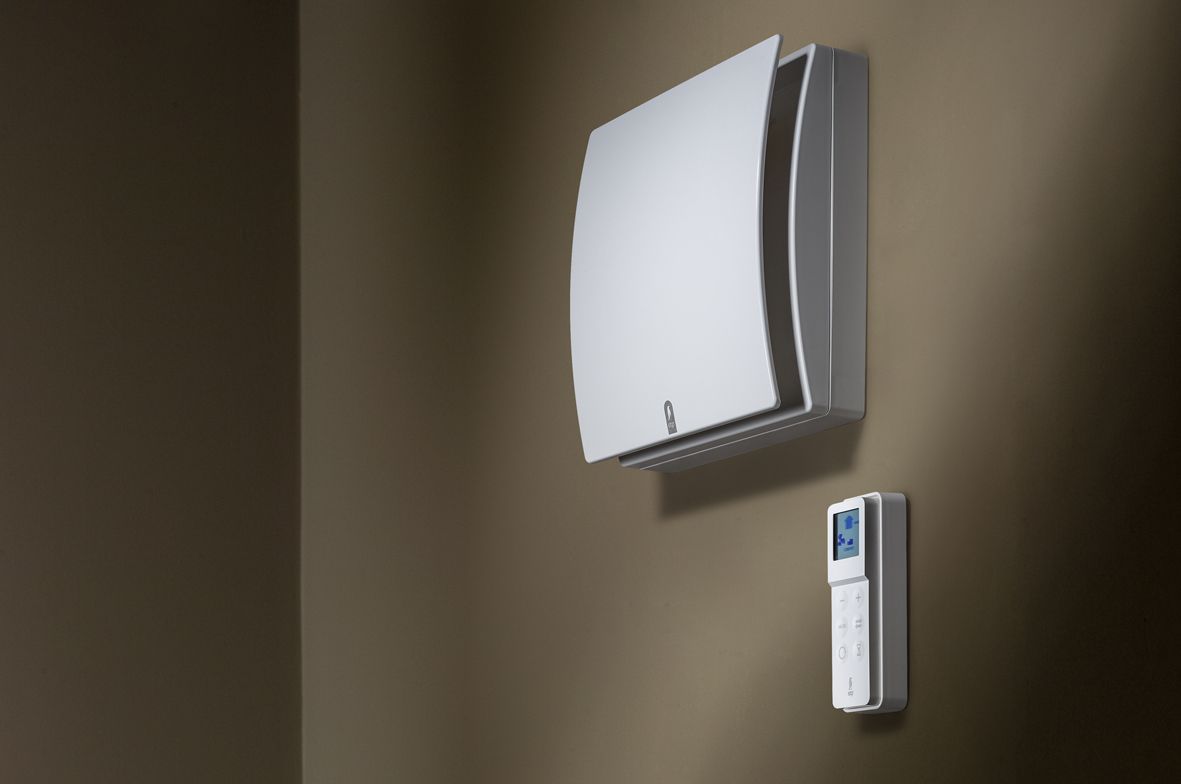
Condensation problems and mold are treated and prevented by installing a mechanical ventilation system. To effectively banish mold, you should call in a professional. Household remedies, vinegar, or bleach are insufficient to truly eliminate the mold.
A specific moisture problem: a damp basement
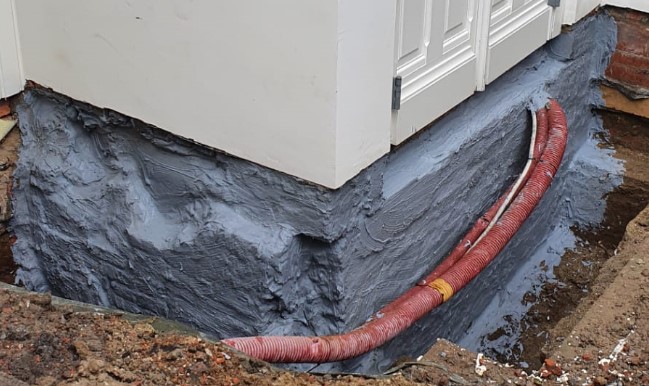
The basement is the room most likely to experience moisture problems. This is not surprising, as the basement is surrounded by damp soil. Moisture in the basement can be caused by seepage water entering, groundwater making its way inside, or pipe leaks causing flooding. Condensation also occurs quickly in basements.
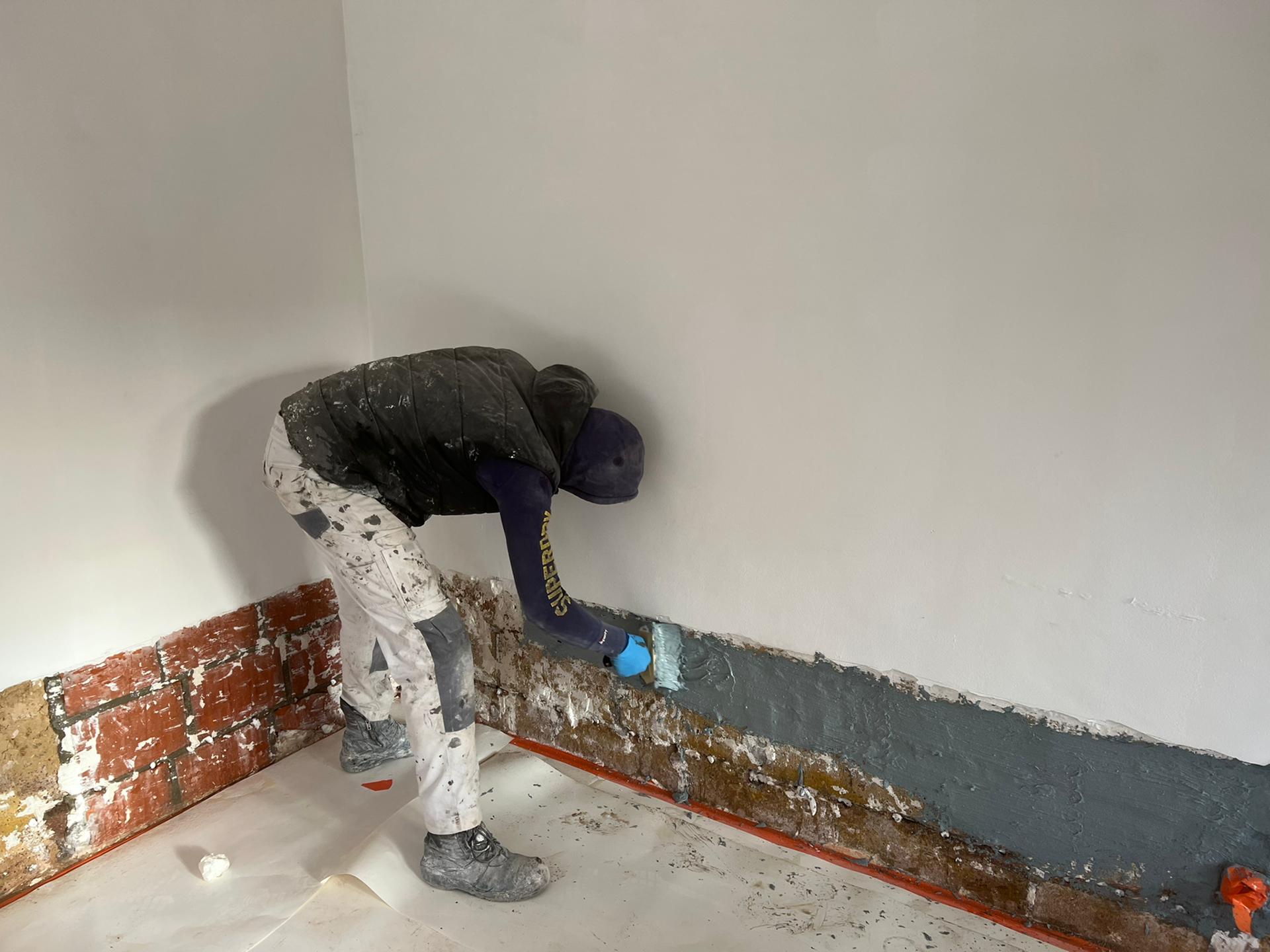
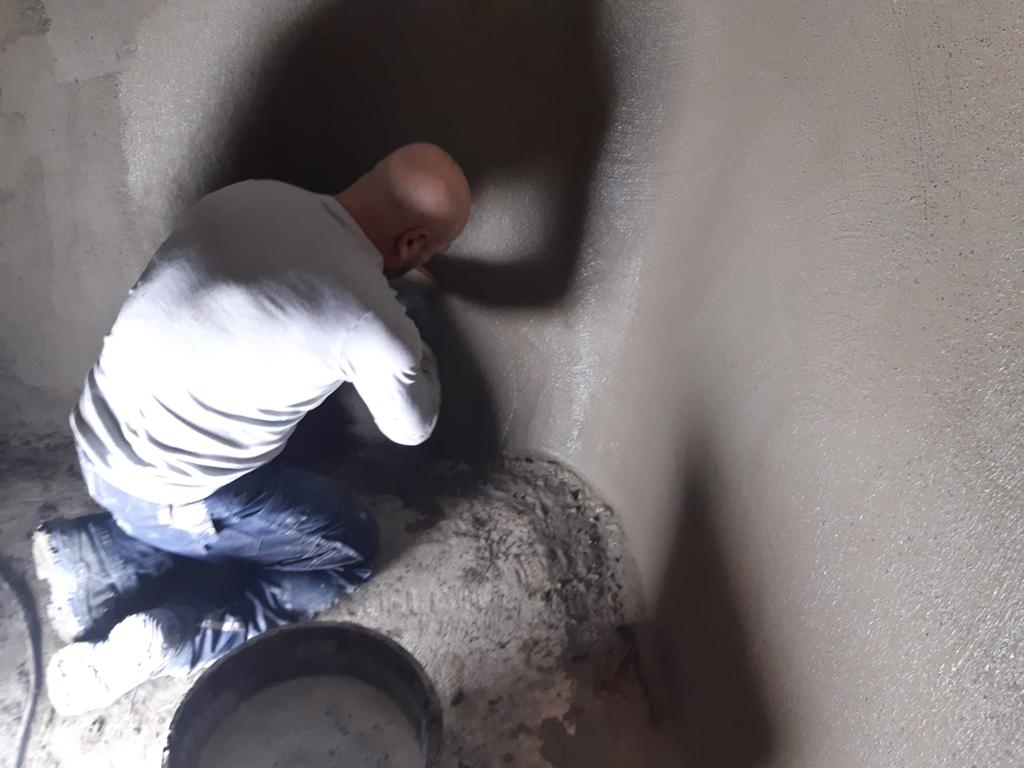
Fortunately, every basement can be made moisture-free again. In the best-case scenario, a wall injection is sufficient, but usually, basement tanking will be necessary. Our professionals then apply several layers of, among other things, moisture-resistant cement. Once this tanking has dried, you can use the basement as before. For very wet basements, basement drainage is required. A pump system with a studded membrane is then installed so that the water is continuously drained away. This system is hidden by a new basement floor and basement walls.
Frequently Asked Questions about Moisture Control
How much Does Moisture Control Cost?
It’s not easy to put an exact price on moisture control. The price is determined by many factors. Each situation is different and therefore has a different price. The main price determinant is the type of treatment. The extent of the problem also plays an important role. Below, we give you some indicative prices so you can already get an idea of the cost of moisture control.
| Type of treatment | Price indication |
|---|---|
| Ventilation system | from € 1,500 to € 6,000 |
| Wall injection against rising damp | from € 120 – € 150 per m² |
| Facade impregnation | from € 10 – € 35 per m² |
| New facade cladding | from € 50 – € 300 per m² |
| Basement waterproofing | from € 4,000 – € 10,000 |
Are there Subsidies for Moisture Control?
You can soften the prices of moisture treatments by applying for a subsidy. Controlling moisture problems is considered a renovation project. Therefore, you can apply for a renovation subsidy.
Previously, this was the Flemish renovation subsidy and an energy subsidy from Fluvius, but from October 1, 2022, these subsidies were merged into the My Renovation Subsidy. You can get up to 50% of the cost back as a subsidy.