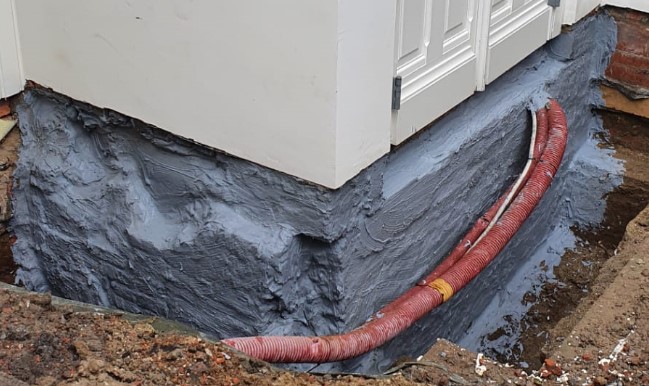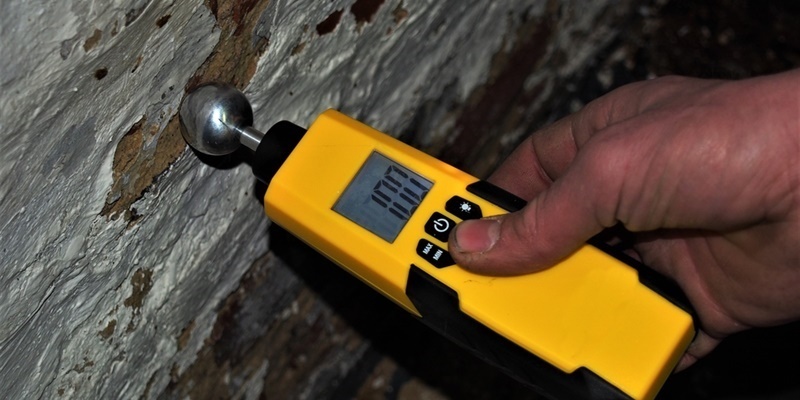
Penetrating damp on your facade? We deal with damp exterior walls
Penetrating damp is a common problem in Belgian homes, especially in regions with a humid climate. It occurs when rainwater penetrates through the exterior walls, which can lead to damage to both the building’s structure and the health of its residents.
We will take a look at what penetrating damp is, its causes, consequences, and effective treatment methods, with a focus on facade protection through water-repellent impregnation.
What is Rising Damp?
Penetrating damp refers to the process where moisture from the outside penetrates through the facade. This usually happens when exterior walls are no longer sufficiently water-repellent, allowing rainwater to seep in more easily. Facades made of brick or natural stone without a protective finish are particularly susceptible to this.
Causes of penetrating damp
Several factors contribute to the occurrence of penetrating damp:
- Aged or damaged facades: Over time, facades can lose their water-repellent properties due to wear and tear, cracks, or damaged pointing.
- Porous building materials: Materials such as brick and natural stone are naturally porous and can absorb moisture without adequate protection.
- Absence of protective layers: Facades without plasterwork or other waterproof finishes lack a barrier against rainwater.
- Climatic influences: Prolonged exposure to rain, wind, and frost can affect the watertightness of facades.
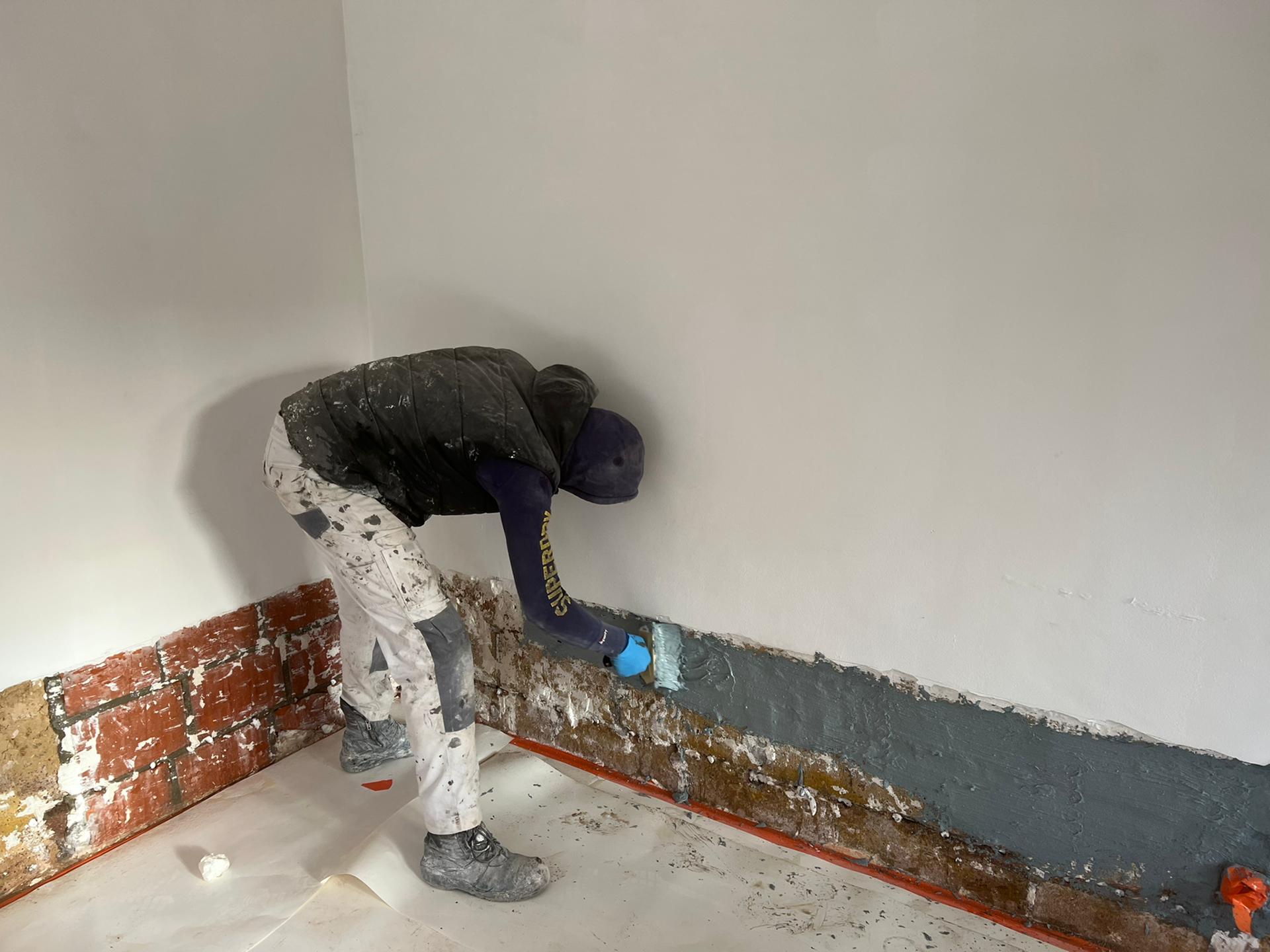
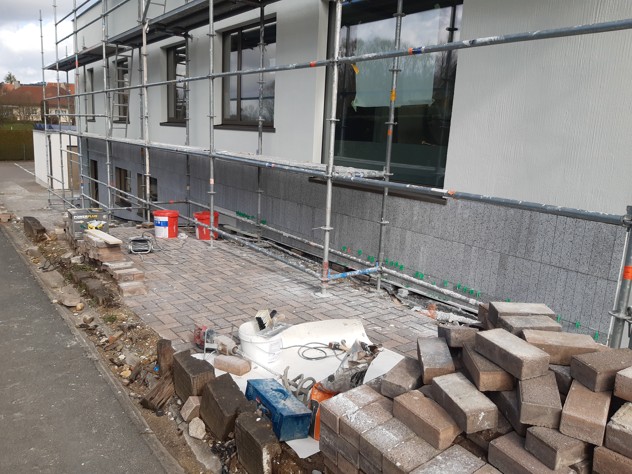
Consequences of penetrating damp
Ignoring penetrating damp can lead to various problems:
- Mold and algae growth: Damp walls provide an ideal breeding ground for mold and algae, which is not only aesthetically unpleasing but also carries health risks.
- Interior damage: Peeling wallpaper, flaking paint, and warped flooring are often the result of moisture penetration.
- Structural damage: Continuous exposure to moisture can lead to crumbling masonry, cracks, and reduced stability of the structure.
- Health problems: A damp living environment can cause respiratory problems, allergies, and other health issues.
Diagnosis and treatment of penetrating damp
An accurate diagnosis is crucial for effective treatment. Professional damp proofing companies typically perform a thorough inspection to determine the cause and extent of the moisture problem. This includes checking the facade for cracks, damaged pointing, and other signs of wear. Based on this analysis, an appropriate treatment plan is drawn up.
Treatment: Facade impregnation with water repellent
An effective method to combat penetrating damp is impregnating the facade with a water repellent. This process involves applying a colorless, water-repellent agent to the exterior walls, reducing moisture absorption without affecting the wall’s breathable properties. This means that water vapor can still escape from the inside, while rainwater from the outside is kept out.
Benefits of water-repellent treatment
- Water-repellent: Protects the facade against driving rain and prevents moisture penetration.
- Maintains breathability: The pores of the facade remain open, allowing moisture to evaporate from the inside.
- Invisible protection: The treatment does not change the appearance of the facade, as the product is colorless.
- Increased durability: Protects against frost damage and extends the lifespan of the facade materials.
- Energy savings: Dry walls have better insulating properties, which can lead to lower energy bills.
Frequently Asked Questions about Moisture Control
How much Does Moisture Control Cost?
It’s not easy to put an exact price on moisture control. The price is determined by many factors. Each situation is different and therefore has a different price. The main price determinant is the type of treatment. The extent of the problem also plays an important role. Below, we give you some indicative prices so you can already get an idea of the cost of moisture control.
| Type of treatment | Price indication |
|---|---|
| Ventilation system | from € 1,500 to € 6,000 |
| Wall injection against rising damp | from € 120 – € 150 per m² |
| Facade impregnation | from € 10 – € 35 per m² |
| New facade cladding | from € 50 – € 300 per m² |
| Basement waterproofing | from € 4,000 – € 10,000 |
Are there Subsidies for Moisture Control?
You can soften the prices of moisture treatments by applying for a subsidy. Controlling moisture problems is considered a renovation project. Therefore, you can apply for a renovation subsidy.
Previously, this was the Flemish renovation subsidy and an energy subsidy from Fluvius, but from October 1, 2022, these subsidies were merged into the My Renovation Subsidy. You can get up to 50% of the cost back as a subsidy.