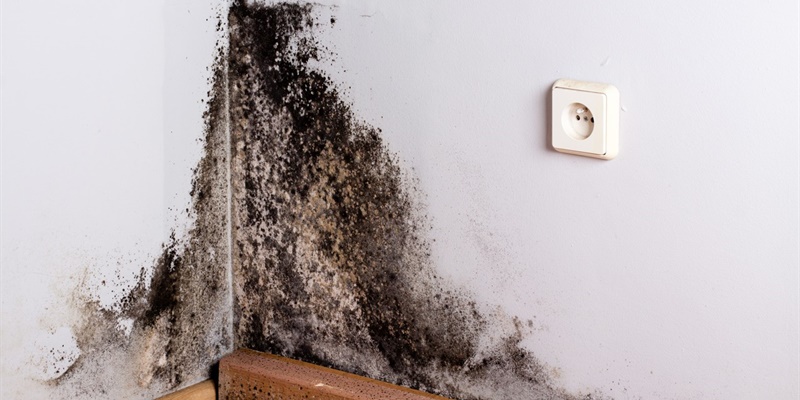
Mold growth in a rental property is not only annoying but can also lead to serious health problems. It is therefore important to tackle mold in the house quickly. But who is responsible for mold control in a rental property? We’ll explain it below.
How Does Mold Develop in the House?
Mold thrives in damp environments. This means that behind mold growth in the house, there’s always a moisture problem. Unfortunately, mold is not the biggest concern in your rental property. Some common causes of mold formation are:
- Various moisture problems: rising damp or penetrating damp, due to leaky gutters or damaged facades, can increase the humidity level in a home and promote mold growth.
- Insufficient air circulation and ventilation cause condensation on walls and ceilings, allowing mold to develop.
- Poor maintenance of the property can cause moisture problems, such as not repairing leaks or not treating damp spots in time.
- Structural problems: improper use of heating systems or poorly placed insulation causes thermal bridges and can contribute to moisture problems, which in turn promotes the growth of mold.
Why is Mold in the House Dangerous?
Mold can pose significant health risks. The presence of mold in a rental property can lead to:
- Allergic reactions such as sneezing, itchy eyes, skin rashes, and respiratory problems.
- Prolonged exposure to mold can lead to more serious respiratory conditions, such as asthma, bronchitis, and respiratory infections.
- Contact with mold can cause skin irritation, redness, and itching, as well as eye irritation.
- People with existing allergies or respiratory conditions may experience worsening symptoms when exposed to mold in the home.
Who is Responsible for Combating Mold in a Rental Property?
Mold in a rental property must therefore be combated at all costs. It is dangerous for your health, and the underlying moisture problem can also cause structural damage to your home. But who is responsible for combating mold in a rental property?
Tenant Responsibilities
Tenants are generally required to keep their rented property clean and hygienic, ventilate regularly, and report any moisture problems to the landlord or property management company.
Landlord Responsibilities
Landlords are responsible for providing a safe and healthy living environment. This includes maintaining the property, addressing moisture problems in a timely manner, and controlling mold.
The Responsibility for Mold Control in a Rental Property Depends on the Cause of the Underlying Moisture Problem
But who is then responsible for combating mold in the rental property? That depends on the cause of the moisture problem. Mold, as we said earlier, indicates a moisture problem. This can be anything: penetrating damp, rising damp, condensation, or a leak, for example. In short: if the moisture problem is due to the tenant, then the tenant must pay for the moisture control. If it’s the property itself that shows defects, then the landlord must solve them.
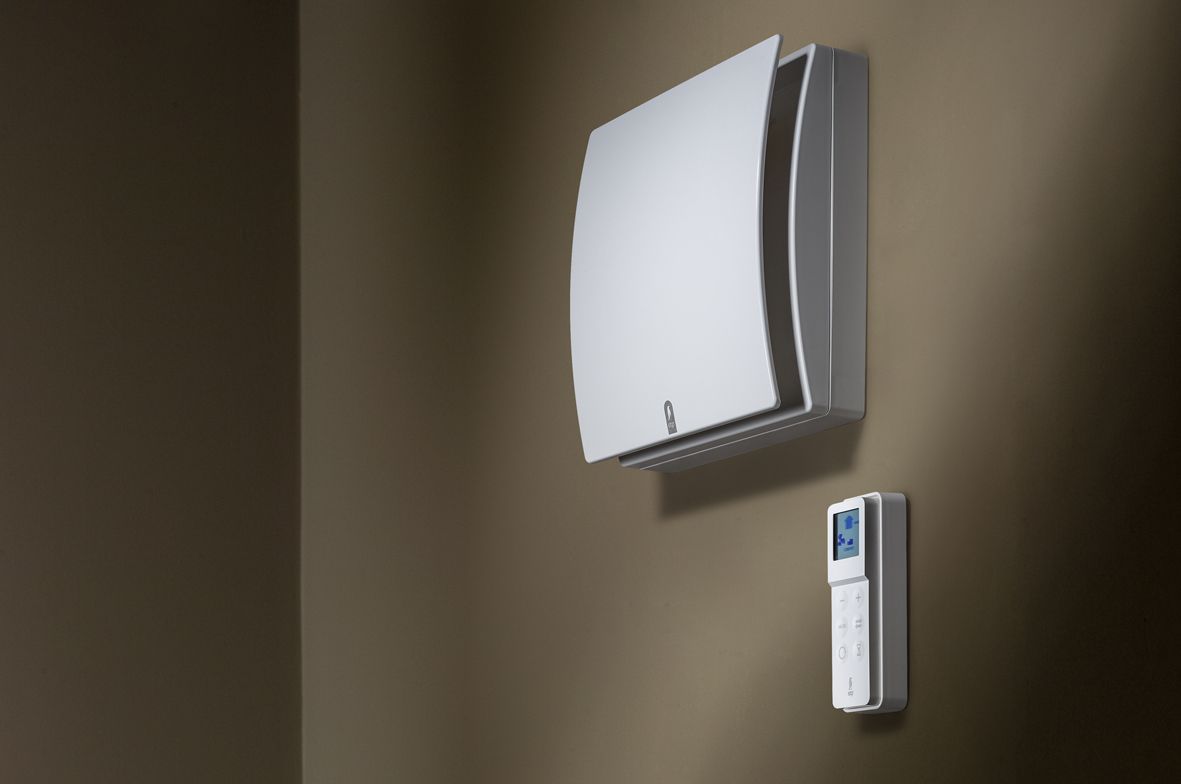
So if you have mold in the house as a result of lack of ventilation and condensation has occurred? Then it can go two ways. If the rental property is equipped with a ventilation system or there are windows in the room with moldy walls, then there is negligence on the part of the tenant. The problem could have been avoided by proper use of ventilation. However, if there is no way to ventilate the space, then the landlord must bear the costs. Rising damp, penetrating damp, and leaks also generally fall under the responsibility of the property owner.
Can You get Compensation from the Homeowner for Mold in the Rental Property?
As a tenant, you may be entitled to compensation from the property owner due to mold problems, but only if the moisture issues are due to the property or the property owner. As a tenant, you may then be entitled to compensation for reduced enjoyment and possibly also compensation for damaged furniture or damaged clothing, for example.
In any case, always seek legal advice first if there are serious moisture problems as a result of mold in your rental property or when there is damage to furniture. Also, always report the problem to the landlord as soon as possible; the longer you wait to address moisture problems, the bigger they become and the more difficult and expensive it is to remove moisture and mold from the rental property.
Solusio Combats Mold in Rental Properties
Are you experiencing mold problems in your rental property? Regardless of who is responsible for mold control, the mold and the underlying moisture problem must be addressed in any case. The experts at Solusio are happy to visit you to review all possibilities. Contact us for free advice and make an appointment for an initial consultation.