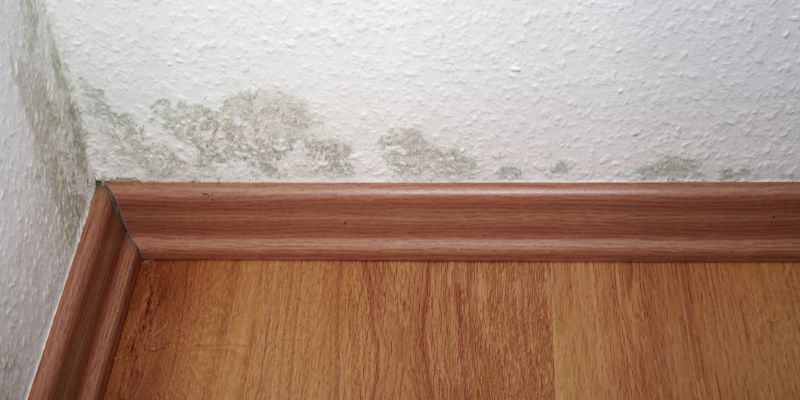
White, fuzzy mold on your walls or ceilings? Here’s what you need to know
Do you see white, fuzzy mold spots on your walls or ceilings?
It’s important to act quickly. This white buildup is a clear sign that your home is dealing with a moisture problem. Fortunately, both the buildup itself and the underlying problem can be properly and permanently resolved.
Below, you’ll learn exactly what this white substance is, where it comes from, and most importantly, how to get rid of it permanently.
What Exactly is this White, Fuzzy Mold?
The white, fluffy deposit you see looks like mold, but it actually isn’t.
This white deposit is saltpeter (also known as wall salts).
Saltpeter forms when:
-
Rising ground moisture seeps into your wall,
-
this moisture reacts with salts and minerals in brick, cement, or plaster,
-
and a chemical crystallization occurs.
The result is that typical white, fuzzy, powdery layer that appears everywhere.
So saltpeter isn’t mold, but it does indicate the same problem:
- A wall that’s too damp.
- An underlying moisture problem that needs to be addressed.
Why is it Important to Treat this Properly?
Removing saltpeter without addressing the moisture problem is pointless.
The deposit will return in no time.
Moreover, the moisture behind the wall can lead to:
-
mold growth (black mold, aspergillus, etc.)
-
peeling plaster
-
musty odor
-
health issues
-
structural damage
That’s why it’s crucial to both remove the saltpeter and eliminate the moisture source.
In most cases of saltpeter, it’s caused by rising damp.
The most effective solution for this is wall injection or installing a damp-proof course.
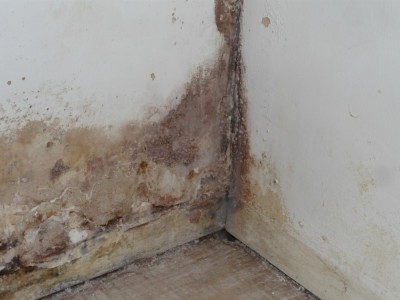
Is White Mold Dangerous?
The white “mold” (saltpeter) not only looks unpleasant but can also be dangerous for both your home and your health.
1. Risks for your home
White deposits on the walls are a sign that there is moisture deep in the masonry.
And where there’s moisture, other much more harmful molds often follow, such as black mold (Stachybotrys).
If the moisture problem persists, it can affect the internal structure of your home:
-
peeling plaster
-
damaged masonry
-
weakened walls
-
damage to wooden support structures
-
risk of rising damp in other areas
Moisture problems that remain unnoticed for long periods can eventually lead to serious structural damage.
2. Health risks
Molds, even though the white deposit itself doesn’t look like real mold, always come with a damp indoor climate, which poses a health risk.
Long-term exposure can lead to:
-
respiratory problems
-
coughing fits and shortness of breath
-
worsening of asthma
-
allergic reactions
-
headaches and fatigue
-
irritation of eyes, nose, and skin
In severe cases, molds can even cause more serious complaints, especially in children, elderly people, and those with sensitive airways.
Conclusion: yes, white mold is dangerous, not because of the mold itself, but because of the moisture problem behind it. The solution is therefore: remove it and address the moisture source.

White, fuzzy mold on your walls or ceilings? Here’s what you need to know
Do you see white, fuzzy mold spots on your walls or ceilings?
It’s important to act quickly. This white buildup is a clear sign that your home is dealing with a moisture problem. Fortunately, both the buildup itself and the underlying problem can be properly and permanently resolved.
Below, you’ll learn exactly what this white substance is, where it comes from, and most importantly, how to get rid of it permanently.
What Exactly is this White, Fuzzy Mold?
The white, fluffy deposit you see looks like mold, but it actually isn’t.
This white deposit is saltpeter (also known as wall salts).
Saltpeter forms when:
-
Rising ground moisture seeps into your wall,
-
this moisture reacts with salts and minerals in brick, cement, or plaster,
-
and a chemical crystallization occurs.
The result is that typical white, fuzzy, powdery layer that appears everywhere.
So saltpeter isn’t mold, but it does indicate the same problem:
- A wall that’s too damp.
- An underlying moisture problem that needs to be addressed.
Why is it Important to Treat this Properly?
Removing saltpeter without addressing the moisture problem is pointless.
The deposit will return in no time.
Moreover, the moisture behind the wall can lead to:
-
mold growth (black mold, aspergillus, etc.)
-
peeling plaster
-
musty odor
-
health issues
-
structural damage
That’s why it’s crucial to both remove the saltpeter and eliminate the moisture source.
In most cases of saltpeter, it’s caused by rising damp.
The most effective solution for this is wall injection or installing a damp-proof course.
Is White Mold Dangerous?
The white “mold” (saltpeter) not only looks unpleasant but can also be dangerous for both your home and your health.
1. Risks for your home
White deposits on the walls are a sign that there is moisture deep in the masonry.
And where there’s moisture, other much more harmful molds often follow, such as black mold (Stachybotrys).
If the moisture problem persists, it can affect the internal structure of your home:
-
peeling plaster
-
damaged masonry
-
weakened walls
-
damage to wooden support structures
-
risk of rising damp in other areas
Moisture problems that remain unnoticed for long periods can eventually lead to serious structural damage.
2. Health risks
Molds, even though the white deposit itself doesn’t look like real mold, always come with a damp indoor climate, which poses a health risk.
Long-term exposure can lead to:
-
respiratory problems
-
coughing fits and shortness of breath
-
worsening of asthma
-
allergic reactions
-
headaches and fatigue
-
irritation of eyes, nose, and skin
In severe cases, molds can even cause more serious complaints, especially in children, elderly people, and those with sensitive airways.
Conclusion: yes, white mold is dangerous, not because of the mold itself, but because of the moisture problem behind it. The solution is therefore: remove it and address the moisture source.
White, fuzzy mold on your walls or ceilings? Here’s what you need to know
Do you see white, fuzzy mold spots on your walls or ceilings?
It’s important to act quickly. This white buildup is a clear sign that your home is dealing with a moisture problem. Fortunately, both the buildup itself and the underlying problem can be properly and permanently resolved.
Below, you’ll learn exactly what this white substance is, where it comes from, and most importantly, how to get rid of it permanently.
What Exactly is this White, Fuzzy Mold?
The white, fluffy deposit you see looks like mold, but it actually isn’t.
This white deposit is saltpeter (also known as wall salts).
Saltpeter forms when:
-
Rising ground moisture seeps into your wall,
-
this moisture reacts with salts and minerals in brick, cement, or plaster,
-
and a chemical crystallization occurs.
The result is that typical white, fuzzy, powdery layer that appears everywhere.
So saltpeter isn’t mold, but it does indicate the same problem:
- A wall that’s too damp.
- An underlying moisture problem that needs to be addressed.
Why is it Important to Treat this Properly?
Removing saltpeter without addressing the moisture problem is pointless.
The deposit will return in no time.
Moreover, the moisture behind the wall can lead to:
-
mold growth (black mold, aspergillus, etc.)
-
peeling plaster
-
musty odor
-
health issues
-
structural damage
That’s why it’s crucial to both remove the saltpeter and eliminate the moisture source.
In most cases of saltpeter, it’s caused by rising damp.
The most effective solution for this is wall injection or installing a damp-proof course.
Is White Mold Dangerous?
The white “mold” (saltpeter) not only looks unpleasant but can also be dangerous for both your home and your health.
1. Risks for your home
White deposits on the walls are a sign that there is moisture deep in the masonry.
And where there’s moisture, other much more harmful molds often follow, such as black mold (Stachybotrys).
If the moisture problem persists, it can affect the internal structure of your home:
-
peeling plaster
-
damaged masonry
-
weakened walls
-
damage to wooden support structures
-
risk of rising damp in other areas
Moisture problems that remain unnoticed for long periods can eventually lead to serious structural damage.
2. Health risks
Molds, even though the white deposit itself doesn’t look like real mold, always come with a damp indoor climate, which poses a health risk.
Long-term exposure can lead to:
-
respiratory problems
-
coughing fits and shortness of breath
-
worsening of asthma
-
allergic reactions
-
headaches and fatigue
-
irritation of eyes, nose, and skin
In severe cases, molds can even cause more serious complaints, especially in children, elderly people, and those with sensitive airways.
Conclusion: yes, white mold is dangerous, not because of the mold itself, but because of the moisture problem behind it. The solution is therefore: remove it and address the moisture source.
White, fuzzy mold on your walls or ceilings? Here’s what you need to know
Do you see white, fuzzy mold spots on your walls or ceilings?
It’s important to act quickly. This white buildup is a clear sign that your home is dealing with a moisture problem. Fortunately, both the buildup itself and the underlying problem can be properly and permanently resolved.
Below, you’ll learn exactly what this white substance is, where it comes from, and most importantly, how to get rid of it permanently.
What Exactly is this White, Fuzzy Mold?
The white, fluffy deposit you see looks like mold, but it actually isn’t.
This white deposit is saltpeter (also known as wall salts).
Saltpeter forms when:
-
Rising ground moisture seeps into your wall,
-
this moisture reacts with salts and minerals in brick, cement, or plaster,
-
and a chemical crystallization occurs.
The result is that typical white, fuzzy, powdery layer that appears everywhere.
So saltpeter isn’t mold, but it does indicate the same problem:
- A wall that’s too damp.
- An underlying moisture problem that needs to be addressed.
Why is it Important to Treat this Properly?
Removing saltpeter without addressing the moisture problem is pointless.
The deposit will return in no time.
Moreover, the moisture behind the wall can lead to:
-
mold growth (black mold, aspergillus, etc.)
-
peeling plaster
-
musty odor
-
health issues
-
structural damage
That’s why it’s crucial to both remove the saltpeter and eliminate the moisture source.
In most cases of saltpeter, it’s caused by rising damp.
The most effective solution for this is wall injection or installing a damp-proof course.
Is White Mold Dangerous?
The white “mold” (saltpeter) not only looks unpleasant but can also be dangerous for both your home and your health.
1. Risks for your home
White deposits on the walls are a sign that there is moisture deep in the masonry.
And where there’s moisture, other much more harmful molds often follow, such as black mold (Stachybotrys).
If the moisture problem persists, it can affect the internal structure of your home:
-
peeling plaster
-
damaged masonry
-
weakened walls
-
damage to wooden support structures
-
risk of rising damp in other areas
Moisture problems that remain unnoticed for long periods can eventually lead to serious structural damage.
2. Health risks
Molds, even though the white deposit itself doesn’t look like real mold, always come with a damp indoor climate, which poses a health risk.
Long-term exposure can lead to:
-
respiratory problems
-
coughing fits and shortness of breath
-
worsening of asthma
-
allergic reactions
-
headaches and fatigue
-
irritation of eyes, nose, and skin
In severe cases, molds can even cause more serious complaints, especially in children, elderly people, and those with sensitive airways.
Conclusion: yes, white mold is dangerous, not because of the mold itself, but because of the moisture problem behind it. The solution is therefore: remove it and address the moisture source.
White, fuzzy mold on your walls or ceilings? Here’s what you need to know
Do you see white, fuzzy mold spots on your walls or ceilings?
It’s important to act quickly. This white buildup is a clear sign that your home is dealing with a moisture problem. Fortunately, both the buildup itself and the underlying problem can be properly and permanently resolved.
Below, you’ll learn exactly what this white substance is, where it comes from, and most importantly, how to get rid of it permanently.
What Exactly is this White, Fuzzy Mold?
The white, fluffy deposit you see looks like mold, but it actually isn’t.
This white deposit is saltpeter (also known as wall salts).
Saltpeter forms when:
-
Rising ground moisture seeps into your wall,
-
this moisture reacts with salts and minerals in brick, cement, or plaster,
-
and a chemical crystallization occurs.
The result is that typical white, fuzzy, powdery layer that appears everywhere.
So saltpeter isn’t mold, but it does indicate the same problem:
- A wall that’s too damp.
- An underlying moisture problem that needs to be addressed.
Why is it Important to Treat this Properly?
Removing saltpeter without addressing the moisture problem is pointless.
The deposit will return in no time.
Moreover, the moisture behind the wall can lead to:
-
mold growth (black mold, aspergillus, etc.)
-
peeling plaster
-
musty odor
-
health issues
-
structural damage
That’s why it’s crucial to both remove the saltpeter and eliminate the moisture source.
In most cases of saltpeter, it’s caused by rising damp.
The most effective solution for this is wall injection or installing a damp-proof course.
Is White Mold Dangerous?
The white “mold” (saltpeter) not only looks unpleasant but can also be dangerous for both your home and your health.
1. Risks for your home
White deposits on the walls are a sign that there is moisture deep in the masonry.
And where there’s moisture, other much more harmful molds often follow, such as black mold (Stachybotrys).
If the moisture problem persists, it can affect the internal structure of your home:
-
peeling plaster
-
damaged masonry
-
weakened walls
-
damage to wooden support structures
-
risk of rising damp in other areas
Moisture problems that remain unnoticed for long periods can eventually lead to serious structural damage.
2. Health risks
Molds, even though the white deposit itself doesn’t look like real mold, always come with a damp indoor climate, which poses a health risk.
Long-term exposure can lead to:
-
respiratory problems
-
coughing fits and shortness of breath
-
worsening of asthma
-
allergic reactions
-
headaches and fatigue
-
irritation of eyes, nose, and skin
In severe cases, molds can even cause more serious complaints, especially in children, elderly people, and those with sensitive airways.
Conclusion: yes, white mold is dangerous, not because of the mold itself, but because of the moisture problem behind it. The solution is therefore: remove it and address the moisture source.
What Causes the White Fuzzy Mold?
The white “fuzzy” mold is actually efflorescence, and it always occurs due to moisture present in the wall. The source of that moisture can vary, but three causes are most common:
1. Rising damp
In the majority of cases, rising damp is the culprit.
When the damp-proof course that should protect your home from ground moisture is old, damaged, or missing, groundwater directly seeps into the masonry.
That moisture then slowly rises up in the wall, usually through the basement or the lower part of the facade. The salts in the groundwater react with the building materials and form white fluffy deposits (efflorescence).
Typical signs:
-
white fuzzy spots at the bottom of the wall
-
wet plaster or peeling paint
-
damp spots that climb upward
2. Moisture penetration through the facade
White mold can also occur due to penetrating damp through the exterior wall.
This happens when:
-
bricks have become porous,
-
the facade shows hairline cracks,
-
or the joints are no longer waterproof.
Rainwater then seeps inside and gets trapped in the wall.
The result remains the same: damp interior walls and saltpeter deposits.
3. Other structural defects
Sometimes the cause isn’t in the foundation or facade, but in local damage:
Damaged Window Frame
If you see white mold under or around a window, it’s likely that the window frame is no longer waterproof.
Rainwater enters through the gap and causes localized saltpeter.
Leaking Pipe or Sewer
A leak in a water pipe or drain can also bring moisture into the walls.
The water then spreads behind the plasterwork, causing salts to crystallize.
How Can White Mold (Saltpeter) be Removed?
Removing white, fuzzy mold always involves two steps:
-
Remove the visible deposit,
-
Treat the cause of the moisture problem.
Only this way will the mold truly stay away and the moisture problem not return.
Step 1: Removing the White Mold
The visible layer is first superficially removed. This can be done by brushing, cleaning, or using specialized products.
But this step is not sufficient: as long as the wall remains damp, the white saltpeter layer will reappear very quickly.
Step 2: Addressing the Source of the Moisture Problem
The right treatment depends entirely on where the moisture in the wall comes from:
Rising Damp → Wall Injection
When moisture rises from the ground, wall injection is the appropriate method. A moisture-resistant gel is injected into the wall and forms a permanent water barrier that stops rising moisture.
Old or Porous Facade → Facade Impregnation (Hydrophobic Treatment)
For penetrating damp through a damaged or porous facade, the wall is treated with a water-repellent, transparent impregnation layer.
This prevents rainwater from penetrating the masonry.
Moisture from the Basement → Basement Waterproofing or Tanking
When moisture comes up from the basement, basement waterproofing, tanking, or basement drainage is often necessary. These treatments make the basement structurally waterproof and prevent moisture from reaching the walls above.
Why You should Leave this to an Expert
Removing white mold yourself may seem simple, but without professional treatment:
-
the moisture remains in the wall,
-
the mold quickly returns,
-
and the problem might even worsen.
An expert can immediately see where the moisture is entering, how serious it is, and which treatment will work permanently.
Solusio is Here to Help
Our specialists have years of experience in removing saltpeter and permanently solving moisture problems.
We offer a free professional diagnosis and advise you on the best approach for your home.
📞 Call toll-free 0800/61 667
✉️ info@solusio.be
Solusio ensures permanently dry walls and a healthy indoor climate.