Years of Expertise in Dry Rot Treatment
Do You Suspect that Dry Rot is Present in your Home or Building? Then It's Crucial to Act Quickly. This Aggressive Fungus Can Spread Rapidly and Cause Serious Damage to Walls, Floors, and Wooden Structures if not Treated in Time.
but how Do You Recognize a Dry Rot Infestation? And What Exactly Does Professional Treatment Involve?
With Solusio, You Can be Assured of Years of Expertise in Combating Dry Rot. Our Specialists Visit You Free of Charge for a Thorough Diagnosis and Immediately Develop the most Effective Solution.
What is Dry Rot and how Does Dry Rot Treatment Work?
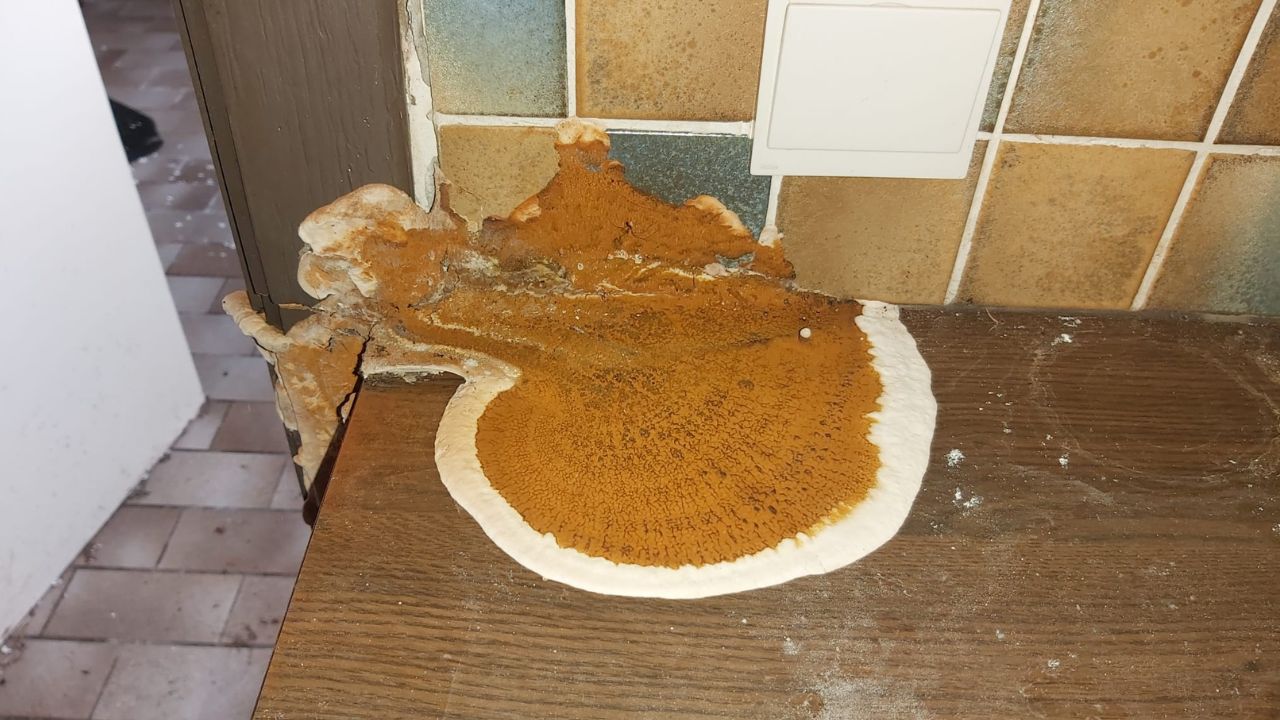
The dry rot is a persistent wood-destroying fungus and can be considered an advanced form of mold. Unlike ordinary mold, dry rot develops into larger structures that you can often clearly recognize.
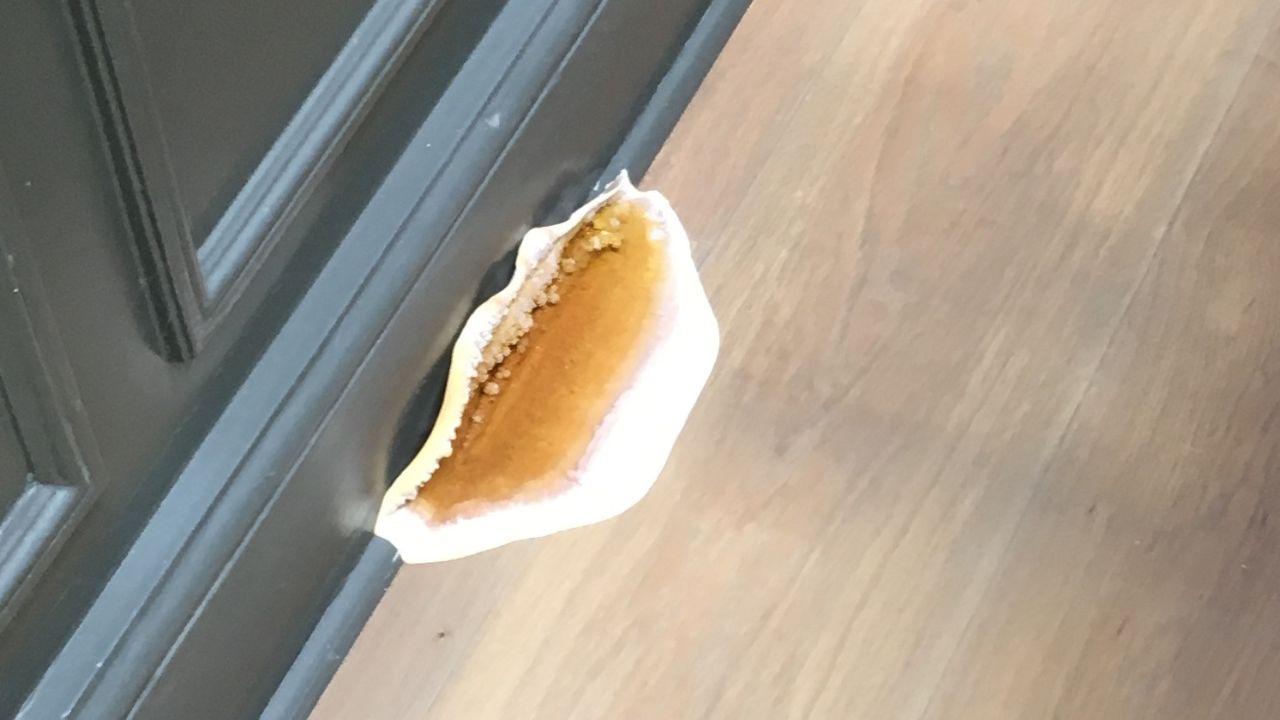
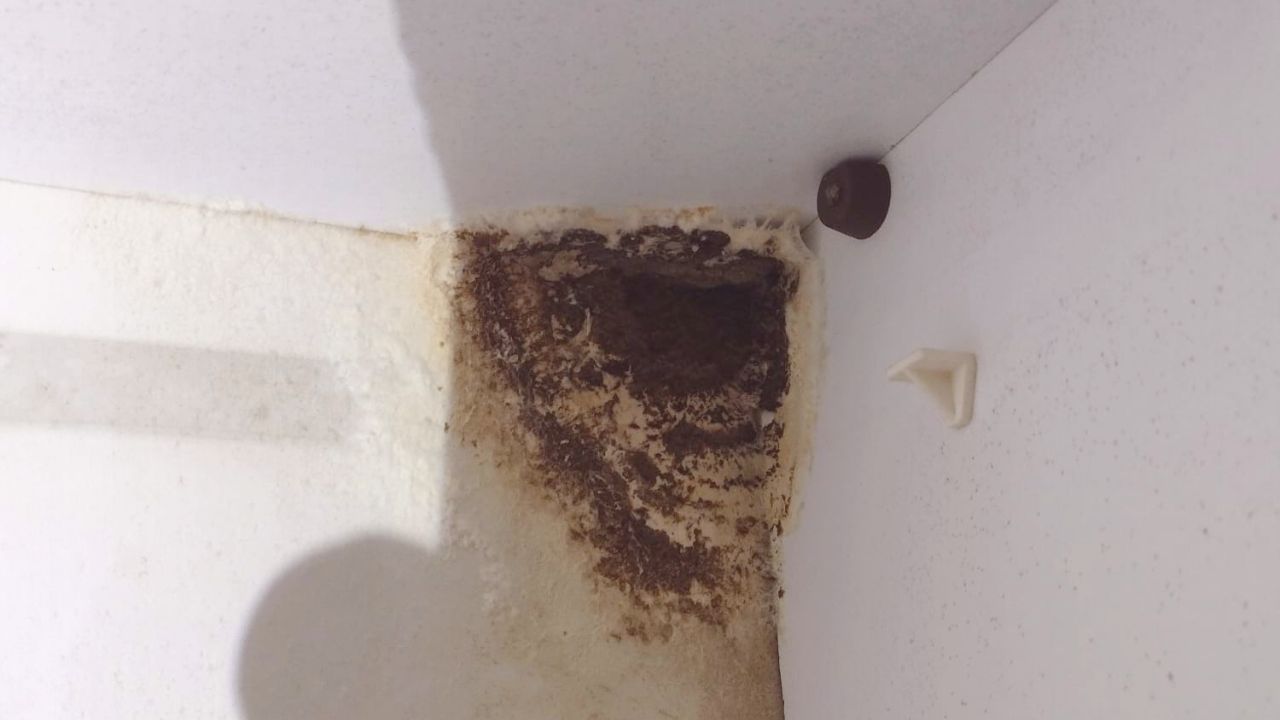
Typical characteristics are the fruiting body with a reddish-brown color and a round or oval shape. White fungal threads (mycelium) spread beneath this fruiting body. These thin, cotton-like flakes penetrate deep into building materials and often remain hidden.
The great danger of dry rot is the damage it causes: wooden structures lose their strength and walls can be affected. Therefore, quick and professional dry rot treatment is necessary to prevent further damage and high repair costs.
At Solusio, we combine a thorough diagnosis with the most effective treatment method, so that your home remains sustainably protected against dry rot.
How Does Dry Rot Develop?
The dry rot develops in conditions that also often lead to mold formation: insufficient ventilation, high humidity, and unnoticed moisture problems. The difference is that the situation with dry rot has already escalated much more seriously.
We see dry rot most often in older homes or buildings that have been vacant for a long time. Because there is hardly any ventilation, humidity rises and fungi have free rein. Basements are also a risk area: cellar fungi often appear here, usually as a result of rising damp or penetrating moisture that remains unnoticed for a long time.
The consequences are serious: dry rot not only affects wooden structures and building materials, but can also be harmful to health. As soon as you notice dry rot, it’s crucial to have professional dry rot treatment carried out quickly. At Solusio, our specialists ensure a thorough approach and sustainable protection against recurrence.
How Do We Combat Dry Rot?
An effective dry rot treatment goes much further than simply removing the visible fungi. To really tackle the problem, the underlying cause, usually a moisture problem, must first be identified and resolved.
At Solusio, we always thoroughly investigate the situation. Depending on the cause, we provide an appropriate solution, such as:
-
Wall injection to prevent rising damp
-
Basement waterproofing to stop penetrating water
-
Improved ventilation to keep humidity under control
By treating both the dry rot itself and the underlying moisture problem, we ensure a sustainable solution and reduce the risk of new infestations in the future.

Frequently Asked Questions about Longhorn Beetle Control
What is the Cost of Dry Rot Treatment?
The cost of dry rot treatment depends heavily on the cause and severity of the infestation. Because every situation is different, a standard price cannot simply be given. That’s why Solusio always offers a free site visit and analysis first. This way we fully map out the problem and make an accurate cost estimate.
The price is determined by, among other things:
-
the extent of the affected surface area,
-
the exact cause of the dry rot,
-
the chosen solution: for example, a wall injection (possibly with renewed plasterwork), basement waterproofing or improved ventilation.
This way you only pay for the treatment that is really necessary, and you are assured of a sustainable solution against dry rot.
Is Dry Rot Dangerous?
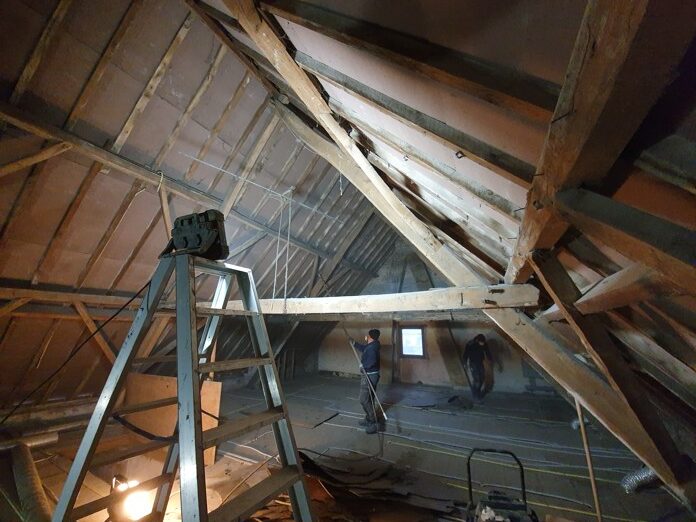
Yes. Dry rot is one of the most harmful wood destroyers in homes. The fungus affects wooden structures, floors, and roof trusses, putting the stability of a building at risk. Moreover, dry rot can negatively affect air quality, which is bad for health.
👉 Solution: Have dry rot professionally treated as quickly as possible. At Solusio, we tackle not only the fungus, but also the underlying moisture problem.
How Do I Recognize Dry Rot?
You can recognize dry rot by the fruiting body with a reddish-brown color and a round or oval shape. In addition, you often see white fungal threads or flakes on or in the building material. Other signs are musty-smelling rooms, damp wood, or brittle plasterwork.
👉 Solution: Having doubts? Request a free diagnosis from Solusio, so our specialists can provide certainty.
Does Dry Rot Only Occur in Old Houses?
No. Although dry rot occurs more often in older homes or vacant buildings, the problem can also occur in newer houses when there is poor ventilation or moisture problems (such as rising damp or basement moisture).
👉 Solution: Always ensure good ventilation and a dry environment. Solusio helps with preventive measures such as basement waterproofing or wall injections.
Can I Treat Dry Rot Myself?
DIY products seem like a solution, but are rarely effective. Dry rot spreads deep into walls and wood, so surface treatments are not sufficient. The problem then often returns worse.
👉 Solution: Choose professional dry rot treatment. Solusio uses specialized products and techniques that penetrate deep into the material and tackle the moisture problem.